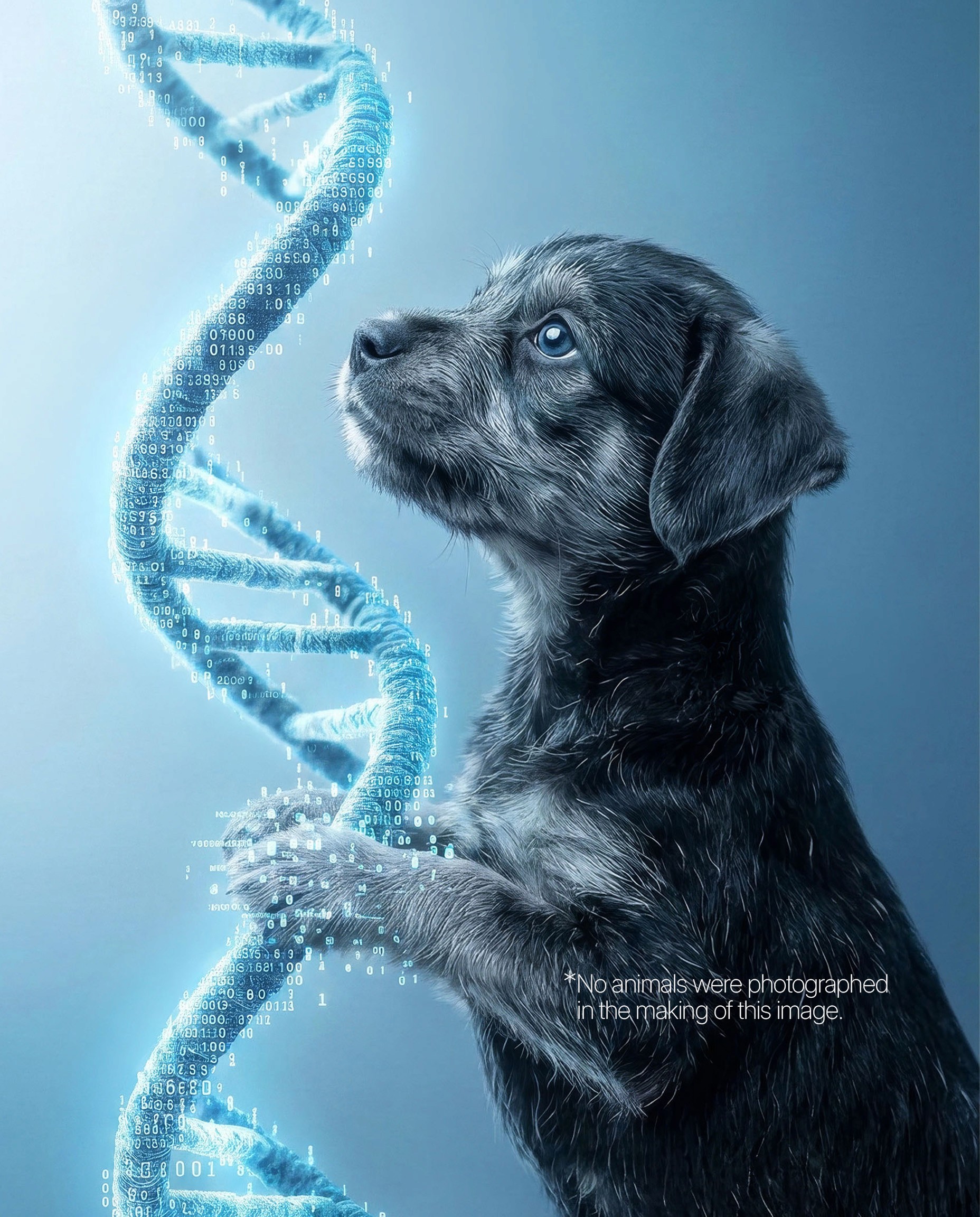

At twcreative® we spend a lot of time making complex science feel human. In animal health, that brief has never been more live. The biology is getting sharper, the data richer, and the gap between what science knows and what owners, vets, and farmers actually understand is wider than it should be at the moment. That gap is where we do our best work.
Animal health in 2026 is rapidly shifting toward precision biology, preventive care, and AI-driven systems designed to keep animals healthier for longer. This is not incremental change but a systemic shift across diagnostics, treatment, care delivery, and communication.
Precision Biologics: Targeted, Preventive Treatment
Biologics, including vaccines, monoclonal antibodies, and early cell-based therapies, are enabling more precise and preventative care with improved outcomes.
Collaboration between biotech and animal health innovators is accelerating this shift, with partnerships such as Carus reflecting how closely research now informs veterinary solutions.
Prevention is becoming the default approach, driven by pet humanisation, zoonotic awareness, and improved diagnostics. The challenge for brands is ensuring prevention is understood, trusted, and acted on.
AI: From Tool to Clinical Infrastructure
AI is becoming embedded in veterinary infrastructure rather than remaining experimental. It supports imaging analysis, predictive modelling, and faster clinical decision-making.
The key shift is not speed but clarity, turning complex data into actionable insight at the point of care. Platforms from leaders like Zoetis illustrate how AI is moving into real-time clinical support.
AI in Communication: Transparency as Standard
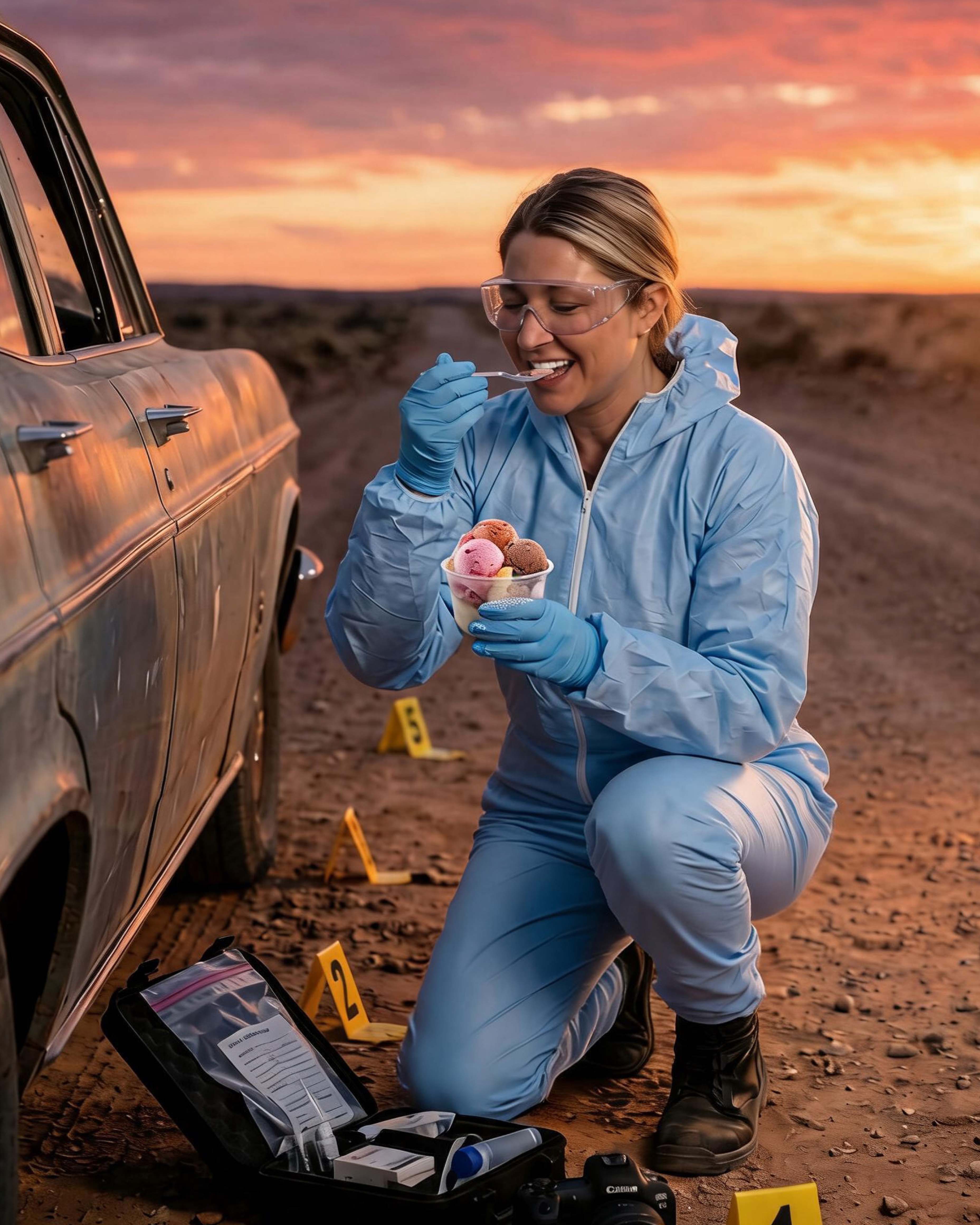
AI is also changing how animal health is visually communicated. While imagery has long relied on CGI, compositing, and controlled environments, AI is now part of that production process and increasingly visible.
As a result, studios and brands are being asked to disclose AI involvement in imagery. This isn’t about reducing credibility but aligning with rising expectations around transparency. For brands, openness about how visuals are made is becoming part of trust-building.
Connected Care: Always-On Intelligence
Wearables, smart collars, and herd monitoring tools are creating a connected ecosystem where data flows in real time between animals, owners, vets, and farmers.
This enables earlier intervention, more personalised care, and more sustainable long-term health management. Not as novelty tech, but as a practical shift toward reducing uncertainty and improving welfare.
The Core Shift
Across all of this, the direction is clear: smarter systems, earlier intervention, and more personalised care.
For brands and storytellers, the brief is simple, don’t just report innovation. Frame it. Simplify it. Make it matter.
As AI and precision biology accelerate, the expectation also rises: clarity, transparency, and meaning matter as much as innovation itself.
Let’s keep in touch.
Discover more about high-performance design. Follow us on LinkedIn and Instagram.



